Oculus Go-ne and the Parallels to the Fate of The Circarama and 360 Movies
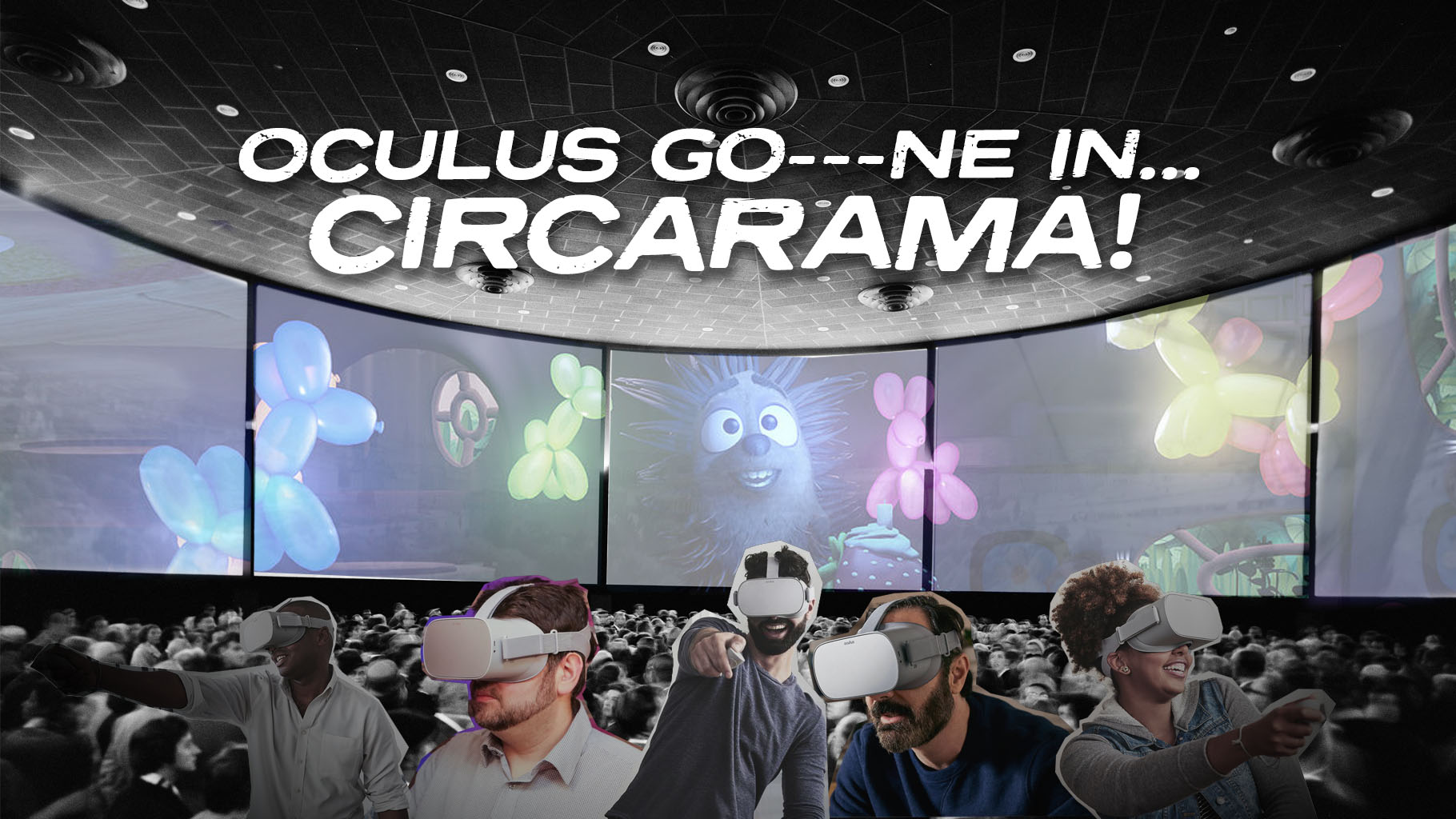
RIP, Oculus Go. We’ll miss you. Sort of.
Some ideas seem so good that in the second that you hear them, you knowthat they will be “The Next Big Thing.” These are ideas you are convincedwill change the world.
And then a couple years later… they are no longer available.
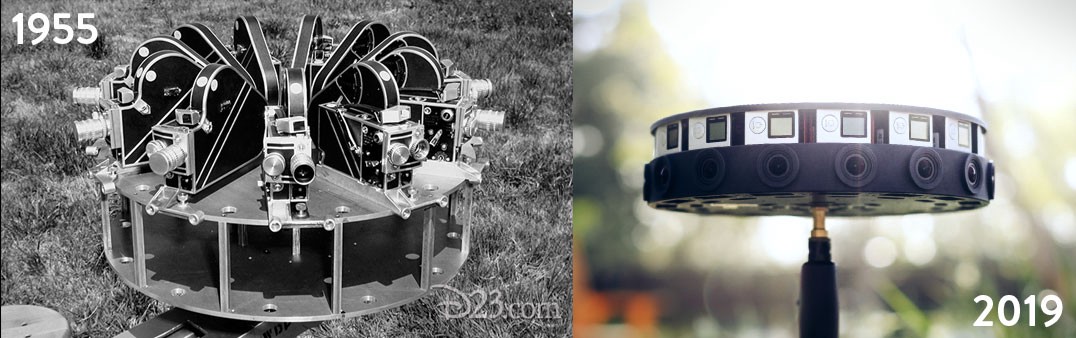
On that same list of great-but-defunct ideas is the Circarama, which preceded the Oculus Go by about 65 years. Both inventions are now relics of the past, and both were bold attempts at new ways to present stories.
Before we dive into this, let’s start at the beginning.

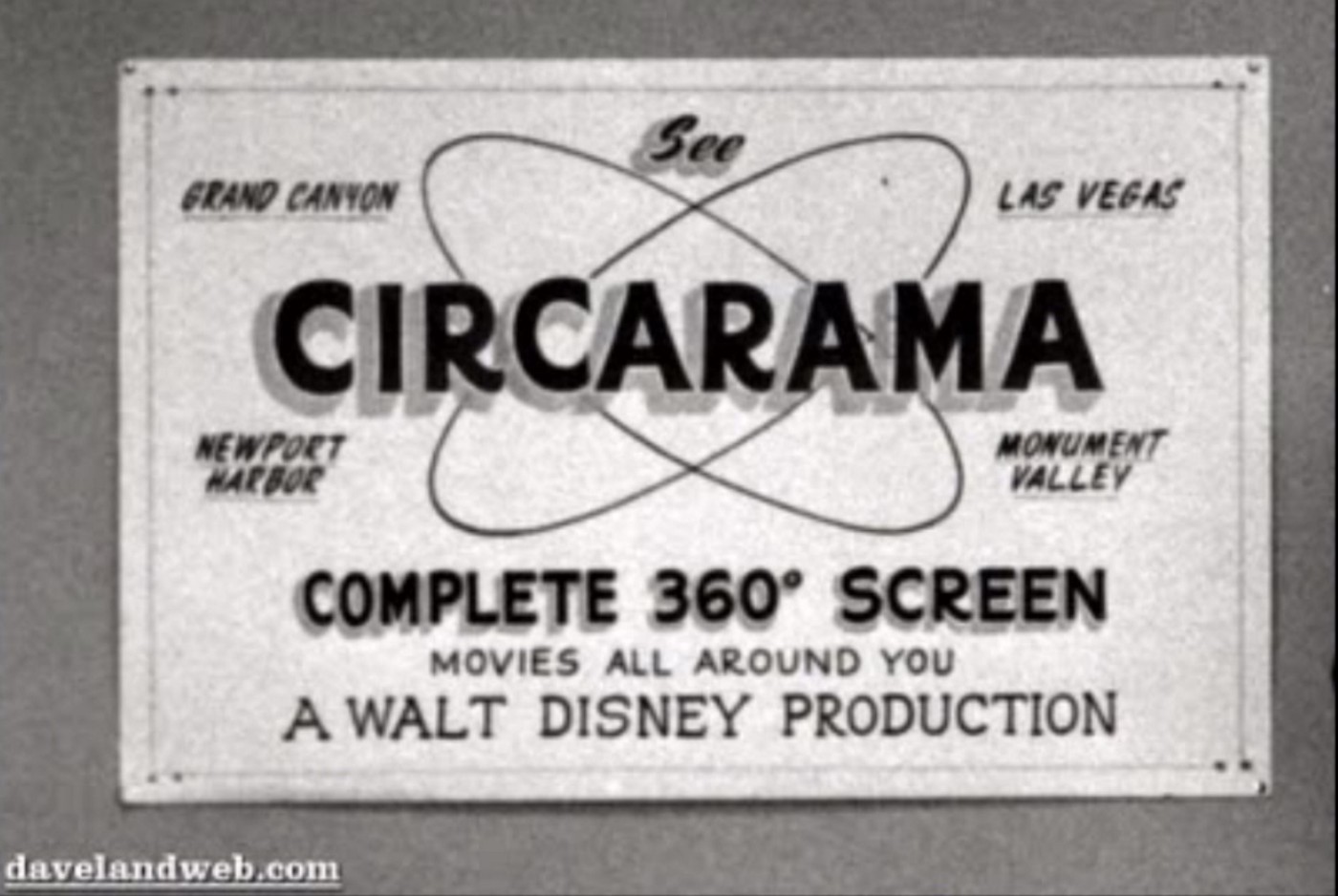
Adding eight more cameras to Cinerama’s three, Ol’ Walt revamped the format with the premiere of his Circarama in 1955, at Disneyland.
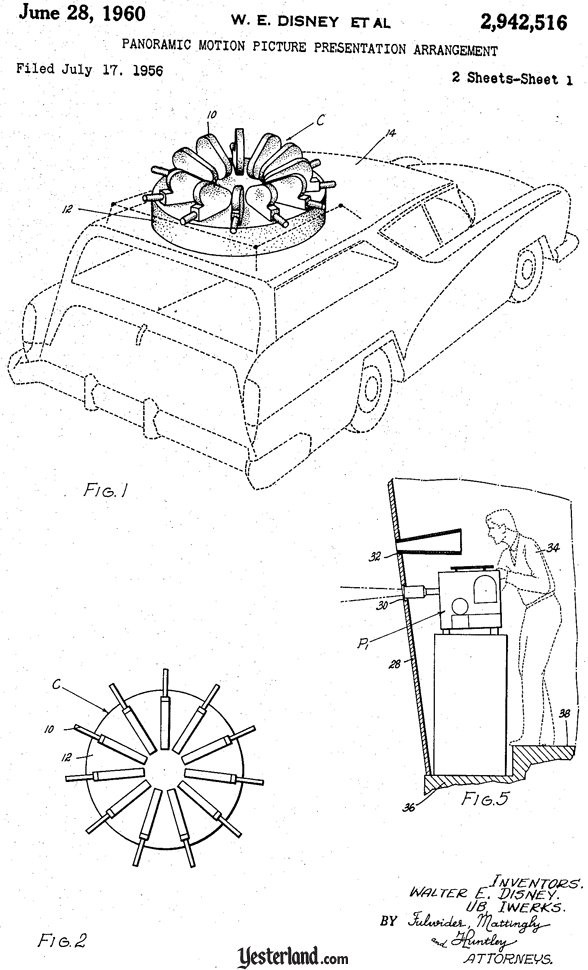
The Circarama was mounted on top of a car and used footage from 11 16mm cameras. To view the Circarama’s first film, A Tour Of The West, audiences stood in the center of a round room and watched as the film was displayed on 11 movie screens that wrapped around the perimeter. Viewers had to constantly turn around to figure out where to focus their attention. Some had to hold onto poles in the auditorium to center their equilibrium in order to keep from getting nauseous. (Does this sound familiar?)
The answer to why larger adoption never occurred mirrors some adoption failures with the Oculus Go.
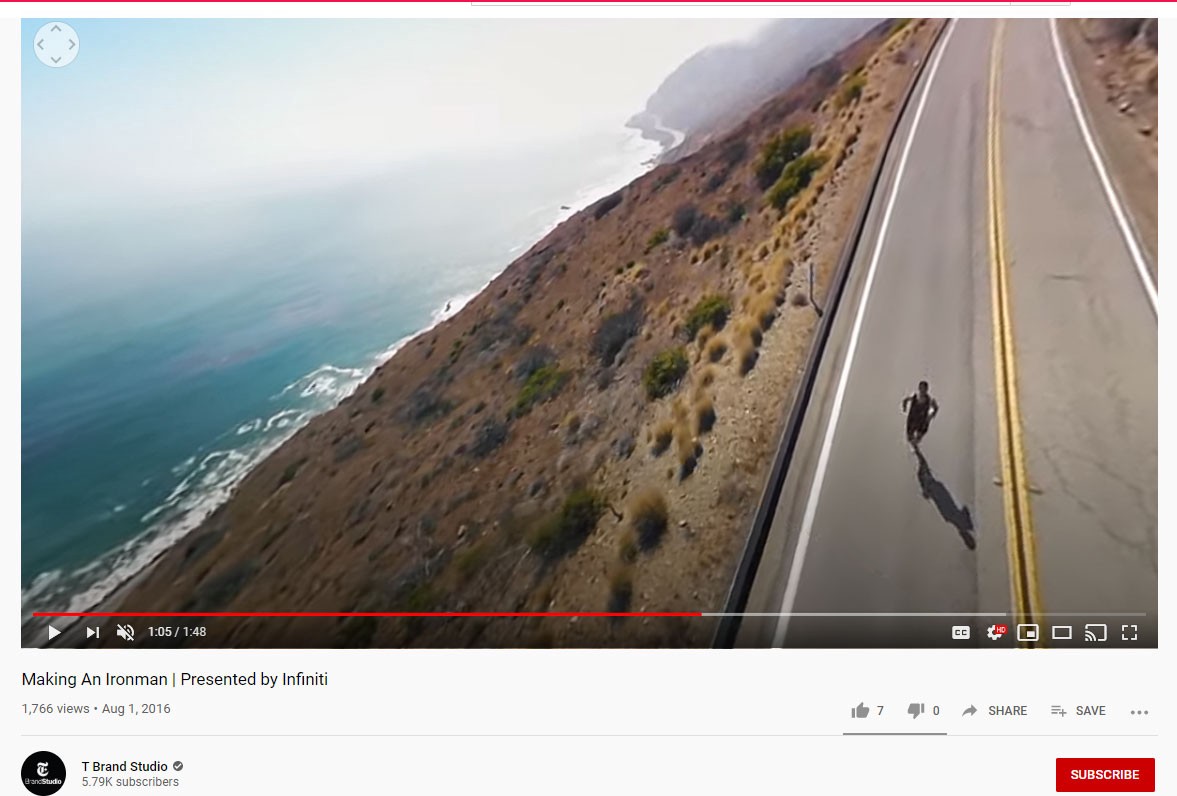
Both innovations put the user in the center of a story, and surrounds them with 360 degrees of visuals — and more importantly, filmed visuals. Even the camera systems are almost identical.*
The Go is a 3DoF experience, and I have always referred to a 3DoF experience as you being an observer. With 6DoF, you get to be a participant. That is the thing with VR - it’s the participatory experience that makes it incredible.
— Ross Safronoff , XR Developer at Fair Worlds

Imagine sitting on a couch and trying to watch a 360 video. If that video truly utilizes all 360 degrees, it will be physically uncomfortable to turn all the way around. Even if you are in a swivel chair - which is the best option for 360 videos - you will still have micro head movements forwards and backwards. Eventually, this could cause nausea due to the disconnection with your eyes and inner ear.
The Oculus Go didn’t die because of advancements in immersive technology, it died because of stagnation in chair technology.
— Brad Parrett, Creative Director at Fair Worlds
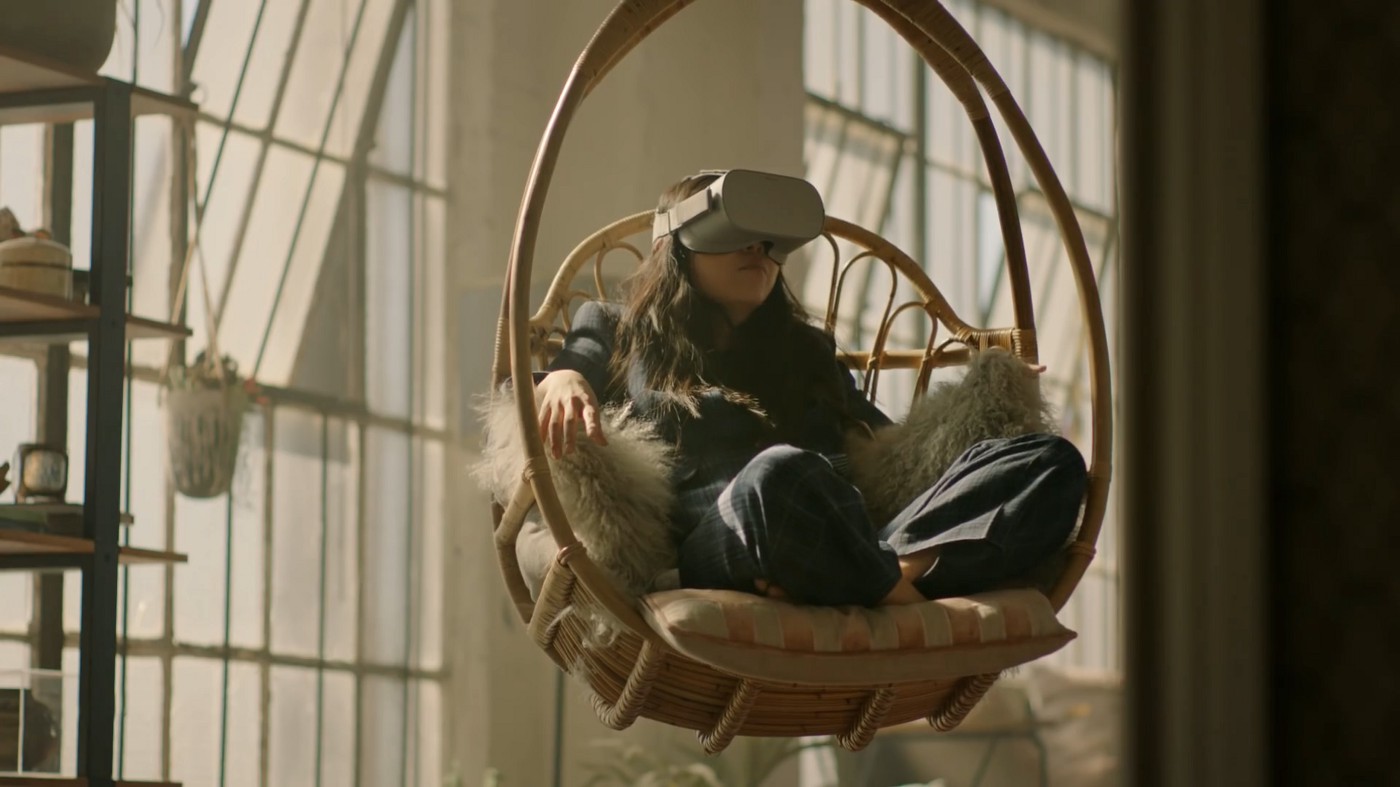
Though it is being retired to the trophy case of obsolete VR Headsets (where there are a few), we have to applaud the Oculus Go. The little grey headset did a great job in setting a precedent for what consumers were going to want and need. It introduced a new audience to the concept of VR, and like a good showman, left them wanting more. While it lacked technical prowess and more immersive, full body experiences, it brought a lightweight comfort-ability and made waves as a wireless headset.
And maybe most importantly of all, it signaled the end of the Google Cardboard era, as it did not require a user to insert their phone into a frustrating “contraption.” (Though the idea of the cardboard was, and is, brilliant, the execution was maddening)
What’s interesting in the history of the Oculus Go is that it was an R&D project. A lot of women were involved in it, and the straps came from bra straps… to make it feel comfortable. [The Oculus Go] feels more comfortable (to me) than the Oculus Quest when worn for long periods of time.
— Todd Little, Lead UX Design Engineer at Fair Worlds
Moving into the future, you can see the Go’s influence on the Oculus Quest (our current headset of choice) design-wise, and you’ll surely see its positive aspects emulated in future headsets to come. Ultimately, the Oculus Go will have a large place on the technological timeline of immersive storytelling.
So — we started with standing in line at a theme park in order to be amazed (and slightly nauseous) by a futuristic 360 degree film experience, and years later were able to experience a similarly awe-inspiring (and slightly nauseating) experience in our very own homes. Similar concept, same result.
We joke around as a company, but there are going to be bumps on the road to new immersive reality. In a few years, we’ll probably be reveling in the antiquated notion that our headsets were larger than sunglasses and required controllers at all.

*We realize that the Oculus Go featured more content than just 360 and 180 degree videos, but for the sake of this comparison, we focused on them as they were the predominant use case. We love(d) experiences like “Virtual Virtual Reality” from Tender Claws and the output of the Google Spotlight Stories, but that is for a different post.