One Optimized 3D To Rule Them All
I’ve got this […physical object…]. Now, how can I bring it to an audience in […new immersive medium…]?!
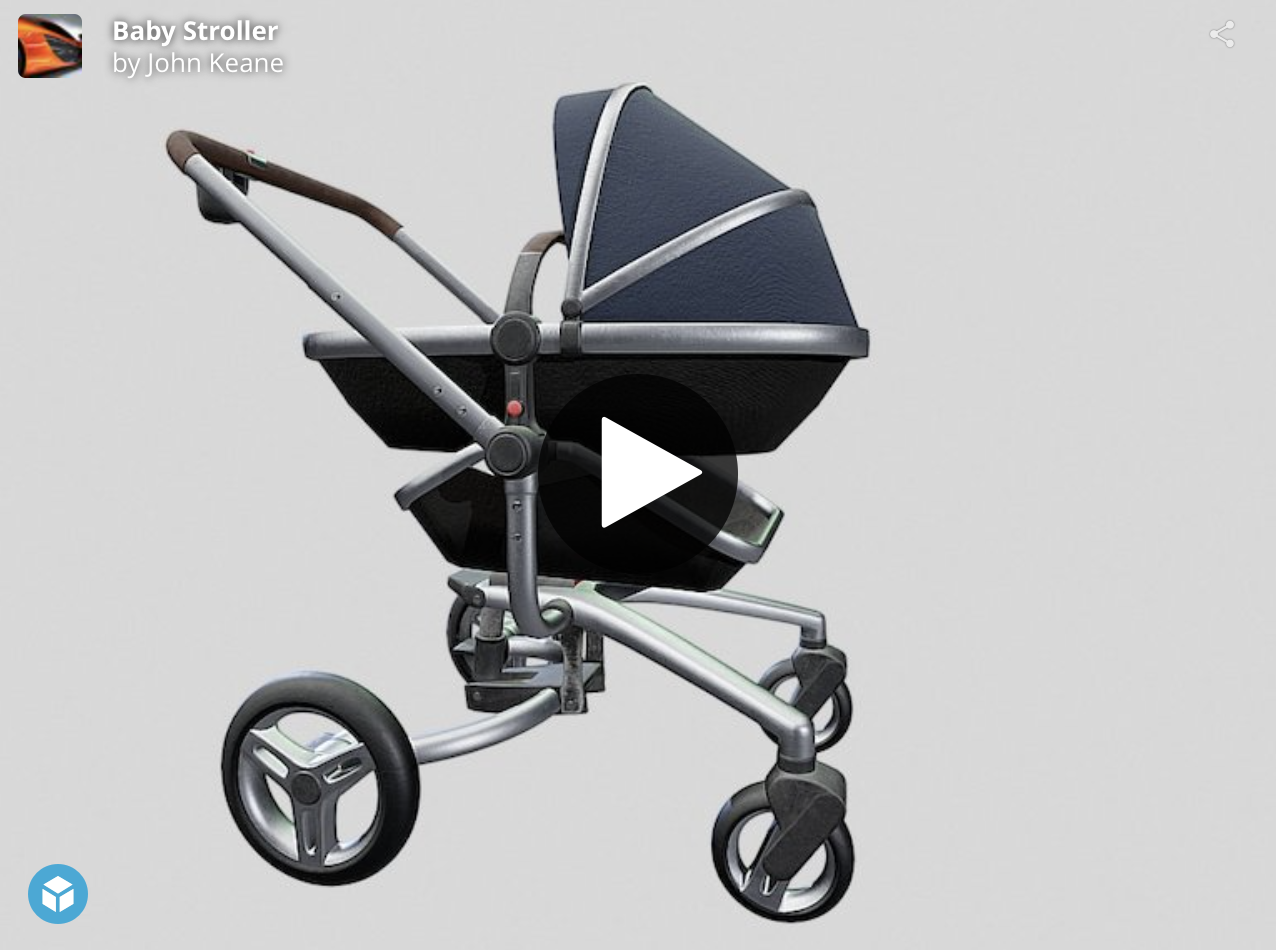
The main issue most of our clients have is hunting down the actual 3D files for their product (usually a CAD file). Even if they can find the CAD, there is an education process on what these different file types are capable of doing. CAD is great for manufacturing and engineering but terrible at rendering videos or anything interactive. They are too complex to be rendered in a real time way. This gets us to the idea of optimization and creating 3D models that can be used a variety of new immersive platforms. The best way to think about is that you need a version of your product that could run in a modern video game. Once you have spent the time doing this there are so many things you can do with it. (It’s not as much as you’d think, but it varies from product to product as they are all “unique snowflakes” - between 1-5 days typically for a 3D artist)
Lets go through the use cases.
VIDEO
This one is a no brainer - 3D videos have been notoriously difficult to produce and time consuming to render. With real time assets we can create these types of videos more easily and affordably.
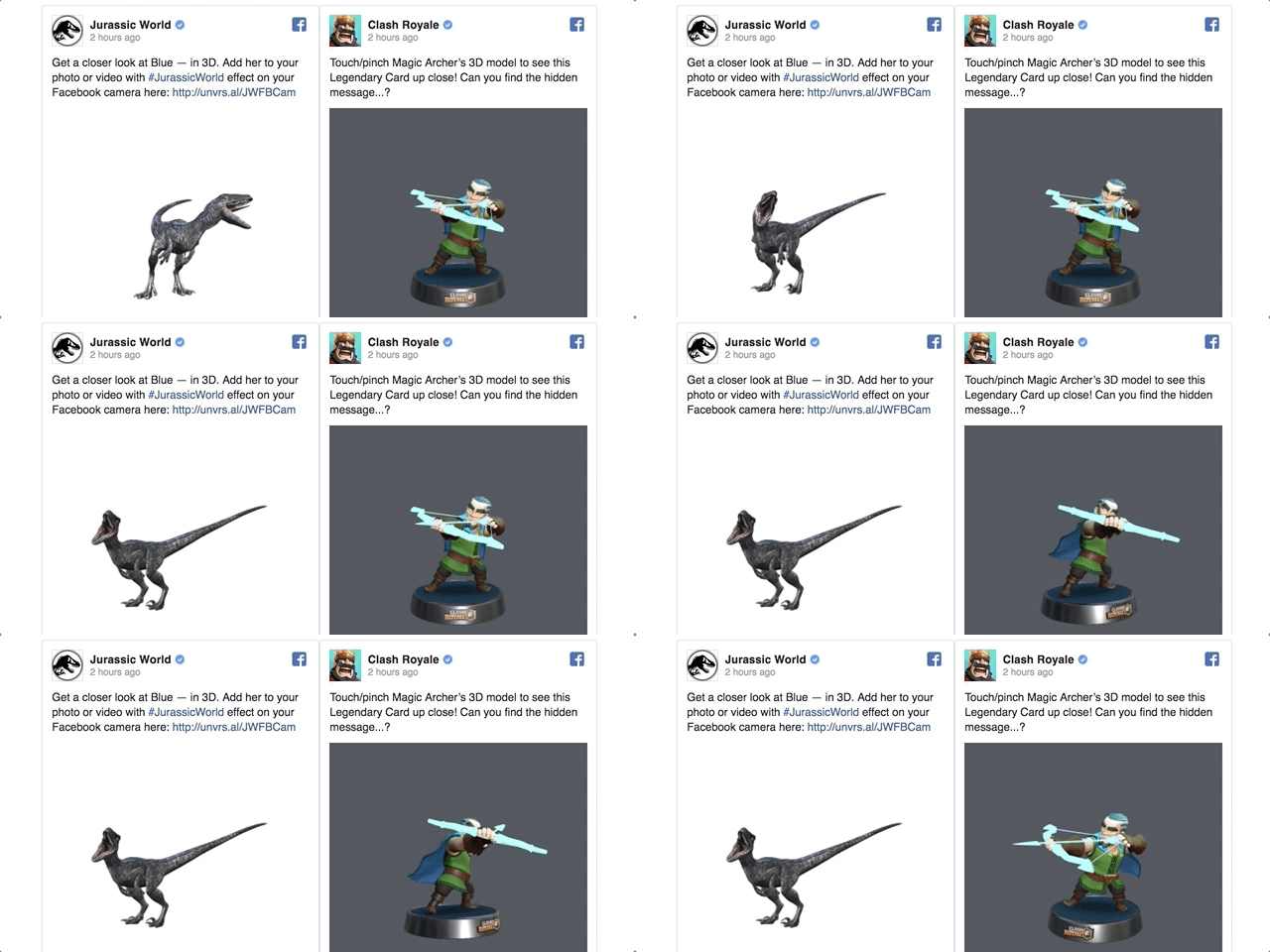
Facebook this year has launched a new feature that allows 3D objects to be natively posted in the news feed. See this link for details, but this is a fantastic way to show off products in the ubiquitous social media platform.
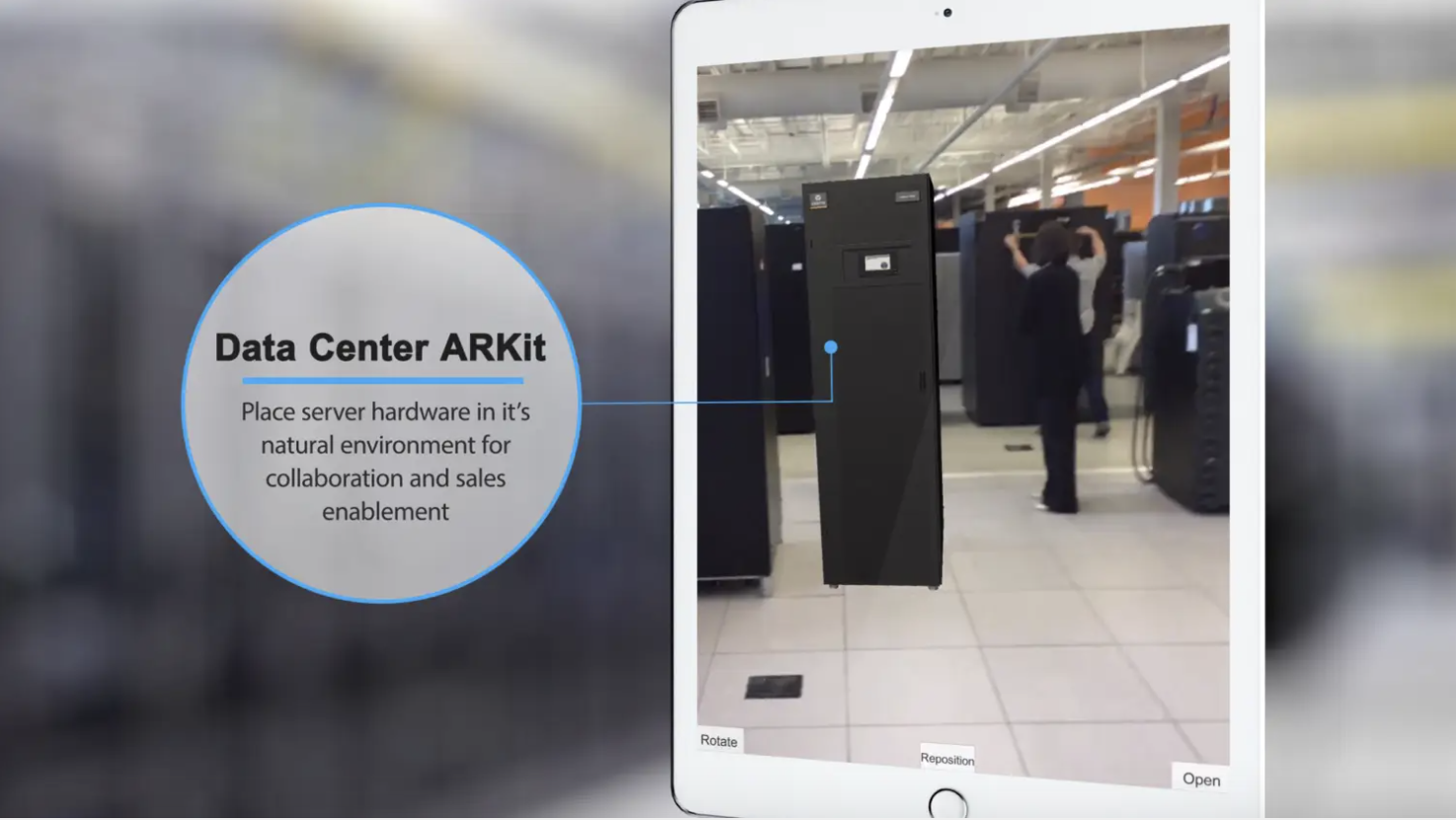
This is a newer format and one that we’re incredibly excited about. Phone and Tablet based AR is primed to really take off this year as consumers realize that they can unleash it’s potential on their favorite devices (that they already own and constantly upgrade).
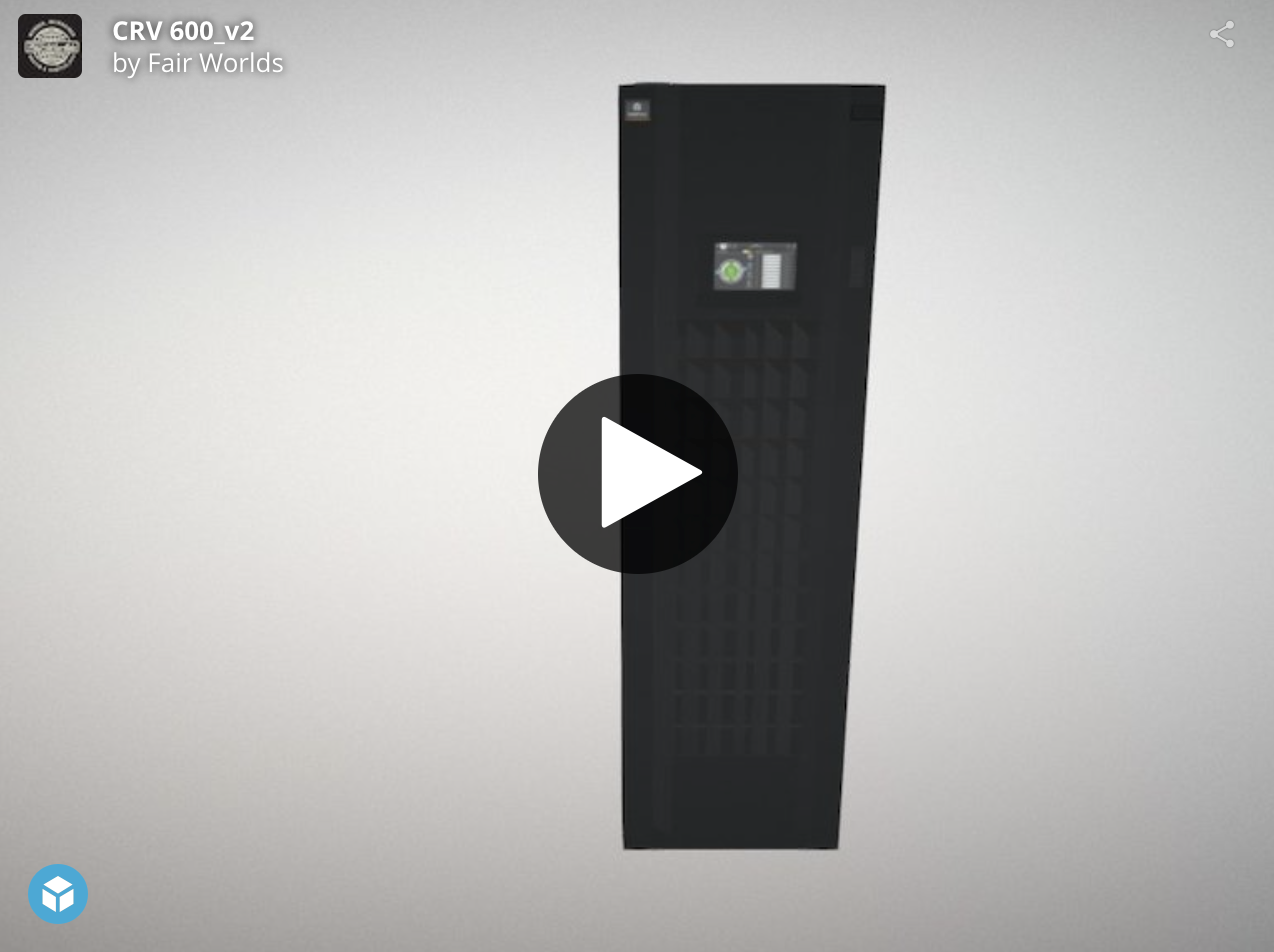
Below is an example we made for a proof of concept for Vertiv that shows the use case of placing data center technology in your existing space to see if it fits with your current footprint.
I’ve written a whole blog post about this format - but the biggest takeaway here is that this is one the most downloaded apps on the planet, and how the majority of people shop…being able to include your product in it’s ecosystem in AR is a slam dunk.
Our favorite of the new immersive mediums, Virtual Reality allows potential customers to interact with your product in new and fantastical ways and without the distractions and constraints of reality (there isn’t a virtual phone in their avatar’s pocket buzzing every 10 seconds with push notifications).
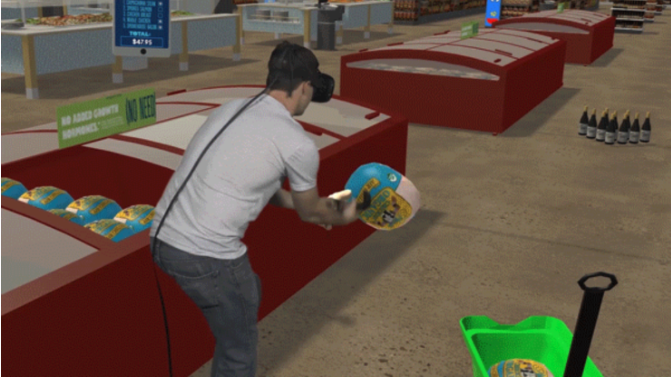
Our favorite example is our Whole Foods project, which shows what you can do with optimized 3D models of wine bottles and frozen chickens.
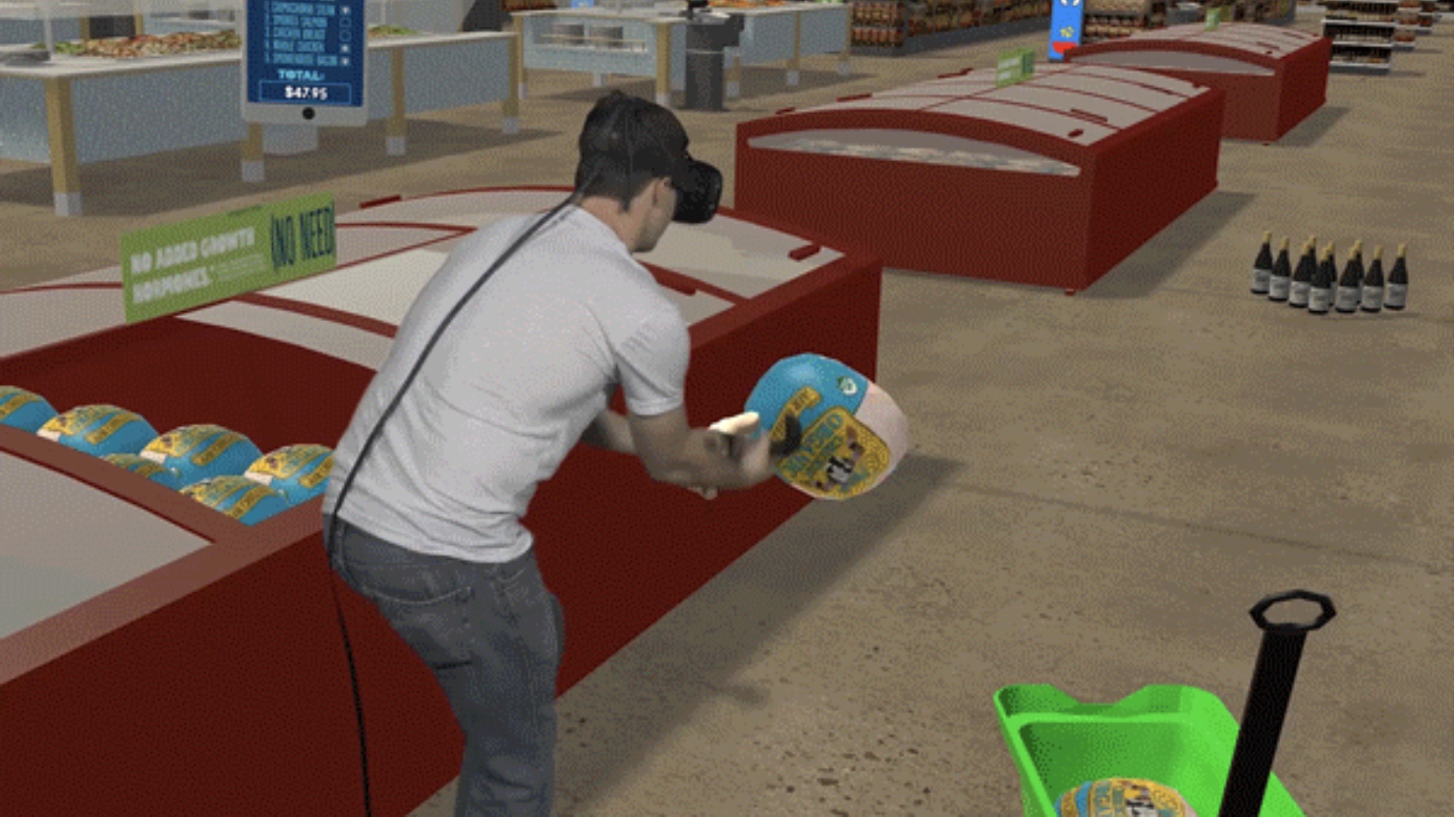
Just like the above one for Whole Foods, who doesn’t love a good GIF, and having the 3D asset allows for all kinds of creative ways to make them easily for social media platforms.
Related reading: 3D Product Configurator Development for Enterprise Marketing